Somerset Farmers Market Guide: What's in Season Month by Month
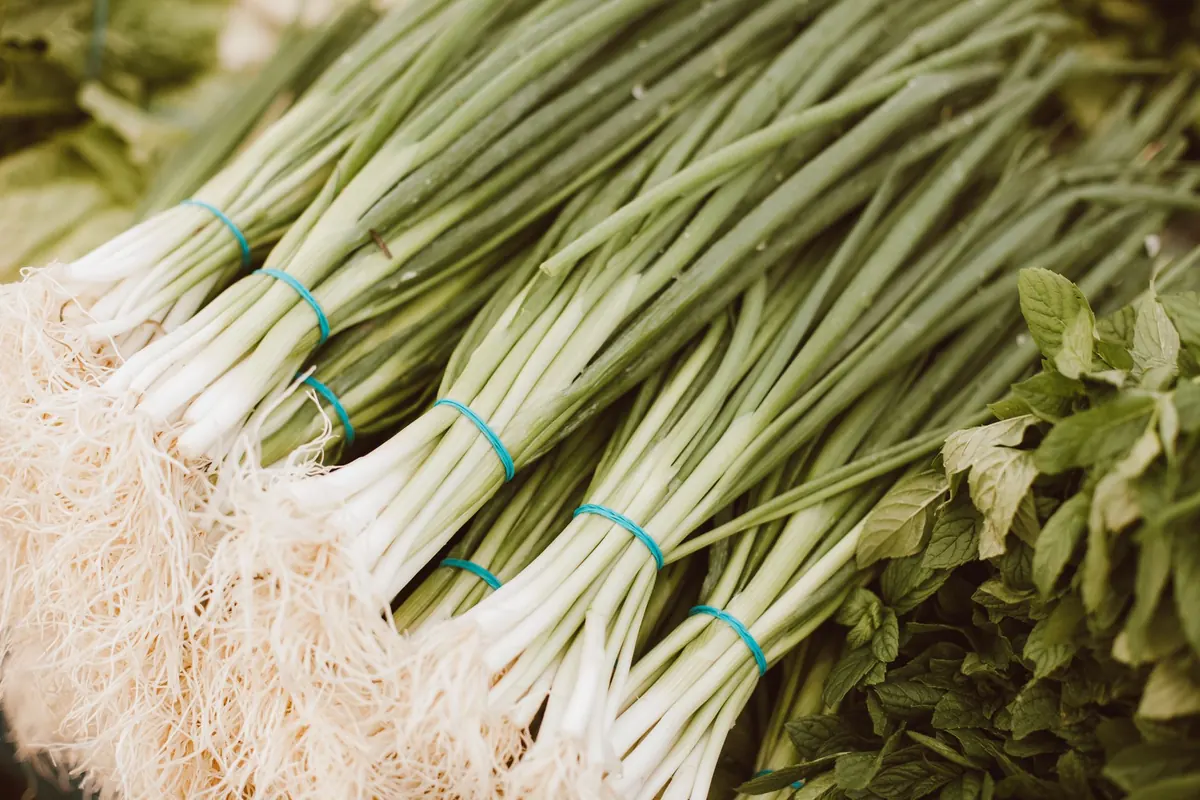
For a few hours each week, the Somerset farmers market does something a supermarket can't: it tells you exactly where you are in the year. One Saturday the tables hold nothing but storage squash and overwintered greens; three months later you're carrying tomatoes so ripe they have to ride home in a box instead of a bag.
Learning that rhythm pays off. You stop buying tired produce that traveled farther than you did, you stop overpaying for the first strawberries of June, and you start cooking with whatever is genuinely good that week. What follows is a guide to that rhythm, plus the practical details — timing, cash, parking — that make a market trip easy instead of exhausting. It's also a chance to meet the people who grow your food, which quietly changes how you cook and what you look forward to.
March and early April look sparse, but the tables hold more than they appear to. Overwintered spinach and kale, leeks, parsnips and carrots that sweetened in cold ground, storage squash, potatoes, apples from last fall, plus greenhouse lettuce, radishes and herb seedlings for anyone impatient to plant. If you see cut herbs this early, they were grown under cover — worth buying, just don't expect July-sized bunches.
Don't overlook the humble roots. A parsnip pulled after a frost converts starch to sugar, so it roasts into something almost dessert-like. Leeks from a wintered-over patch are sweeter and more delicate than the ones you'll find in August. And a bag of overwintered spinach wilted in a pan with garlic is a reminder that "seasonal" doesn't mean "abundant."
Asparagus is the turning point. It usually arrives in late April or early May and lasts about six weeks, sometimes less if the weather turns hot. Buy it thick or thin, use it within a day or two. Rhubarb overlaps with it, and by mid-May you'll find salad greens, peas, spring onions and the first real strawberries.
If you're new to the market, spring is the easiest time to ask questions. The stalls are quiet, and growers have time to explain why their spinach survived the winter or which variety of potato makes the best mash.
June is the month of small triumphs: strawberries, shell peas, garlic scapes, the first broccoli and beets, cherries and blueberries by the last week. Then July lands and the market gets loud. Tomatoes, zucchini, cucumbers, green beans, sweet corn, raspberries, peaches and new potatoes all show up in the same few weeks, and nobody has room in the fridge.
Two rules help. Don't refrigerate tomatoes or stone fruit — cool them and you trade flavor for a few extra days. And buy berries by the flat when the price drops, then freeze them on a tray before bagging. You'll be glad in January. Ask a grower which tomato is best for sauce rather than salad, and buy a box of those.
“If you want the best tomatoes, come early and bring a box,” one longtime vendor says. “By noon, the ones that taste like summer are gone.”
Zucchini and cucumbers are at their most tender when small, so don't automatically reach for the biggest ones. Green beans snap cleanly when fresh; if the tip bends like a wire, it's been sitting. And sweet corn should be eaten the day you buy it — the sugar starts turning to starch the moment it's picked.
August is the peak. Tomatoes are at their best in the first two weeks, and peppers, eggplant, melons and sweet corn fill the gaps. September shifts: apples and pears arrive, winter squash comes in, cider starts pressing, and greens return as the heat backs off. October brings root vegetables, cabbage, leeks and brussels sprouts, often still on the stalk.
This is the season to buy in volume. Onions, garlic, potatoes, carrots, beets and squash keep for weeks if you store them cool, dark and dry. A basement corner or a garage shelf out of the sun is fine. Buy a second bag for the freezer; late peppers roast and freeze well, and so does corn cut off the cob.
Apples deserve special mention. Ask which varieties are best for pies, which for sauce, and which will keep until Christmas. A mixed bag of keepers and eaters is a small investment that pays off all winter.
Markets shrink in winter, or move indoors, and the pace slows down. You'll find storage crops, hardy greens and whatever a heated greenhouse is producing, alongside eggs, meat, cheese, bread, honey, preserves, dried beans and sometimes soap, wool or pottery from the same farms. Fewer stalls means growers have time to talk, which is reason enough to go.
Winter is also when the good stuff disappears fastest. If a farm sells out of eggs by nine, arrive at nine. And if you find something you love — a specific cheese, a particular jam — buy two, because February is a long month.
Root cellaring doesn't require a cellar. A cooler in an unheated mudroom, a box of sand in the garage, or the bottom drawer of a fridge can extend the life of carrots, beets and turnips for months. Keep them away from apples, which emit ethylene and speed spoilage.
Exact timing depends on the weather and how cold your corner of the county runs, so treat this as a rough map rather than a schedule. Anything can shift by two or three weeks.
Print it, stick it on the fridge, and adjust as you learn your market's particular pace.
Go early for the best selection, but go late for deals. Many growers would rather sell a box of tomatoes at a discount than pack it up again. If you can, do both: a quick early pass for the must-haves, then a return trip near closing for bargains.
Bring cash, even if vendors take cards. Small farms often prefer it, and a few still don't have a card reader. Keep small bills handy for a single bunch of radishes or a jar of honey. A sturdy tote or two, a cooler in the car for meat and cheese, and a flat box for berries will save you a lot of grief.
Parking is usually easiest a block or two away from the main entrance. Wear comfortable shoes; you'll walk more than you expect. And don't be shy about asking questions. "How do you cook this?" "How long will it keep?" "What's coming next week?" Growers love to talk, and their answers are often more useful than any cookbook.
How you store your market haul matters as much as what you buy. Tomatoes, stone fruit, onions, garlic, potatoes and winter squash all prefer room temperature and good airflow. Berries, greens, peas and corn want cold and humidity. Root vegetables like carrots, beets and radishes keep best with their tops removed — the leaves pull moisture from the roots.
Freezing is the easiest preservation. Spread berries on a tray, freeze until solid, then bag. Blanch green beans, broccoli and peas for two minutes, cool in ice water, drain and freeze. Roast peppers, peel them, and freeze in small containers with their juices. Cut corn off the cob and freeze raw. You'll thank yourself in February.
For a small investment, a chest freezer and a few glass jars turn a summer market into a year-round pantry. And if you're feeling ambitious, ask a grower about buying a bushel of tomatoes or a half-bushel of peppers for canning. Many will give you a better price if you order ahead.
“You don't have to preserve everything,” one farmer says. “Just buy what you'll actually eat, and buy it at its best. That's the whole secret.”
That's the rhythm of the Somerset farmers market: a year that starts with roots and greens, explodes into tomatoes, settles into apples and squash, and ends with a quieter table and better conversations. Learn it once, and you'll never shop the same way again.
Photo: ROMAN ODINTSOV / Pexels
Previous Post
How to Submit a Letter to the Editor at The Somerset Herald
Next Post
Beginner's Guide to Somerset High School Football Games: Tickets, Parking, and Traditions