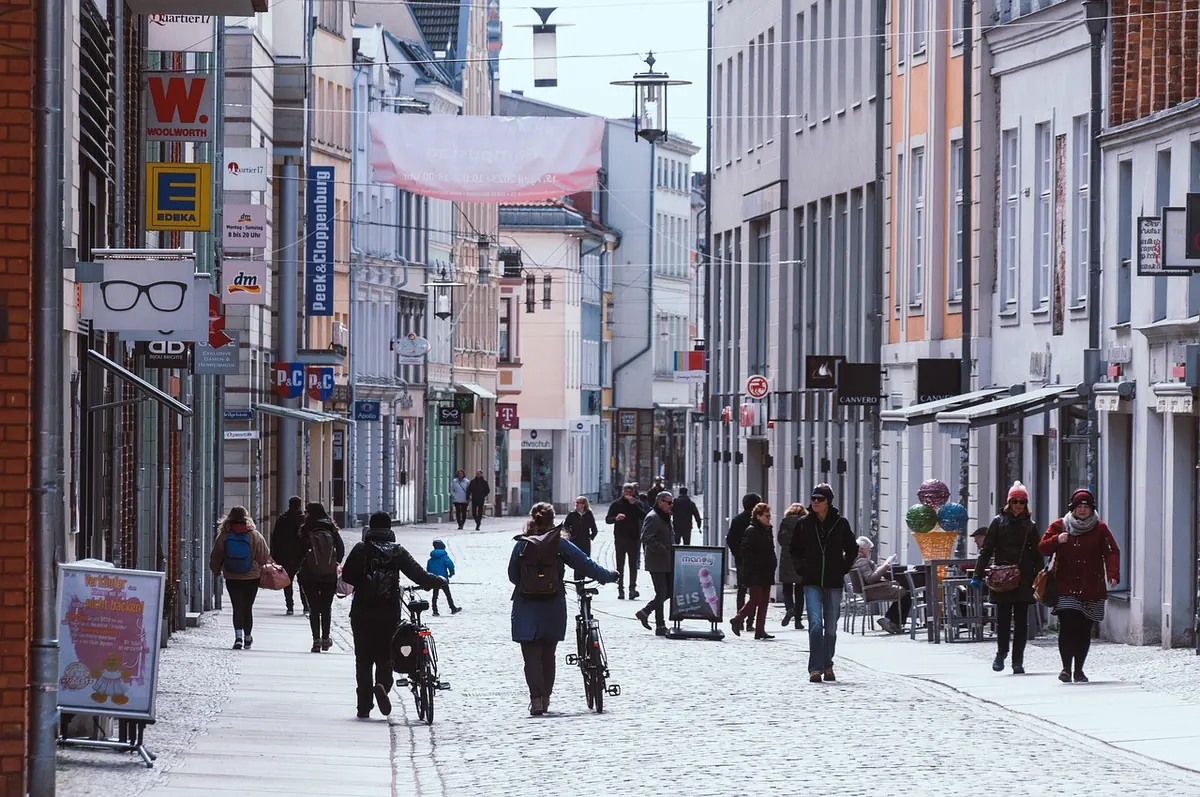
How to Host a Neighborhood Block Party in Somerset: Permits, Insurance, and Invitations

A block party rarely starts with a committee. It starts with one person who notices the street has gone quiet, mentions it to a neighbor over the fence, and suddenly there are three households willing to help and a date circled on a calendar. The hard part isn't the potato salad. It's turning that impulse into a plan that satisfies whoever signs the paperwork. That means answering three questions early: Is this allowed, who is covered if something goes wrong, and how do we get people to actually show up?
Before you call anyone official, talk to two or three households. Not to build a committee, just to confirm the date works and that someone else will answer the phone when you're away. Pick a Saturday afternoon if you can. Sunday evenings get thin fast once school starts, and holiday weekends are a trap. Settle on a rain date and write both dates down as if they were the same event. If you're in Somerset and your street ends at a busier road, walk the route you're hoping to close and look for driveways, hydrants, and anything that will need to stay clear.
A backyard gathering on private property usually needs nothing at all. Once you close a public street, block parking, hang a banner, or use a public park, you're almost certainly into permit territory. Where you apply depends on where you are: the city or town clerk's office inside city limits, a county office if you're in unincorporated area, or a village, town, or parish council in a smaller community.
Call and ask one clear question: "I'd like to close [street name] between [cross streets] on [date] from [time] to [time] for a neighborhood block party. What do I need to file, and by when?" Take notes and ask them to email the requirements if that's possible. A written list beats your memory of a phone call every time.
This is the piece with the longest lead time. Depending on the authority, expect a window measured in weeks rather than days, and ask specifically about barricade delivery and pickup, whether you must post no-parking notices in advance, and whether the application requires signatures from a share of the households on the affected block. Some places require it; some don't. Find out before you start knocking on doors, so the signatures mean something.
Amplified music often comes with a cutoff hour, and it's usually earlier than the party wants to end. Ask. If someone is selling food rather than giving it away, or if a vendor is selling anything at all, there may be health or business licensing rules that don't apply to a potluck. A table of neighbors' covered dishes is a different thing from a truck selling tacos, and the paperwork reflects that difference.
If the street won't work, a park reservation may need to be booked months ahead. Ask about alcohol policies, whether you can stake a tent or bounce house into the ground, and what time the gates lock.
A note worth repeating: rules vary by location and can change. Confirm requirements directly with the relevant office, get approval in writing if you can, and keep a copy with you on the day. If anything about your event seems unusual, ask a professional rather than relying on a neighbor's memory of last year.
There are two separate concerns here, and people often blend them. The first is whether your existing homeowners or renters policy covers you if someone is injured. The second is whether the event itself needs its own coverage.
Call your insurance agent and describe the party plainly: date, location, expected headcount, activities, and whether alcohol is involved. Grills, bounce houses, bikes, and live music all change the picture. A backyard barbecue and a closed street with a rented inflatable are not the same risk, even if they look similar from the sidewalk.
Ask three questions:
Many organizers work under an existing neighborhood association, and some permit applications require proof of insurance or a signed agreement accepting responsibility. If your party is small, at a private home, and nothing unusual is happening, you may need nothing extra. If you're closing a road or expecting hundreds of people, ask before you print the flyers. Insurance and liability rules vary widely by location and by policy, so check with a licensed insurance professional before assuming you're covered.
A party run by one person is a party that person stops hosting. Divide the work early and put names next to jobs, not just "we'll figure it out."
Lock the date, confirm the permit timeline, and reserve anything you're renting.
First notice. Paper flyers in doors still outperform a group chat post. Include the date, time, street, what to bring, and a phone number. Ask for RSVPs, even loose ones, because you need a food headcount.
Second notice. Confirm the potluck signup, share the setup time, and start recruiting for cleanup.
Send the details: parking, the rain plan, who is bringing tables and coolers, whether pets are welcome, and where people with young kids or mobility needs can find a quieter spot.
Walk the street, confirm barricade arrangements, charge the speaker, fill the water coolers.
Setup begins. Put someone at each end of the closure so nobody drives into the party, and keep a printed copy of the approval nearby.
A potluck with a modest collection jar is the most durable model there is. Be low-key and clear about money: a suggested amount for shared costs like permits, ice, and paper goods, never a ticket price. Nobody should feel priced out of their own street. Keep a written budget, and tell people afterward where the money went. Leftover funds can seed next year's party, which is a much better outcome than a mysterious surplus.
Thank people by name, especially the ones who stayed to pick up trash in the dark. Return rented equipment and barricades promptly, and check the permit for any post-event requirements such as cleanup or trash removal. Post a few photos while the day is still fresh. Then, before everyone forgets how much work it was, write down what to change next year: the permit deadlines, the noise cutoff, the vendor who was worth it, the neighbor who offered to chair it next time. Put next year's date on the calendar now. That single habit is what turns a one-off block party into something your street expects.
Photo: katya-guseva0 / Pixabay
Previous Post
Somerset School Budget Explained: Where the Money Comes From and Where It Goes
Next Post
Volunteering in Somerset: A Beginner's Guide to Food Banks, Shelters, and Cleanups