Opinion: Somerset's Downtown Needs a Year-Round Events Calendar
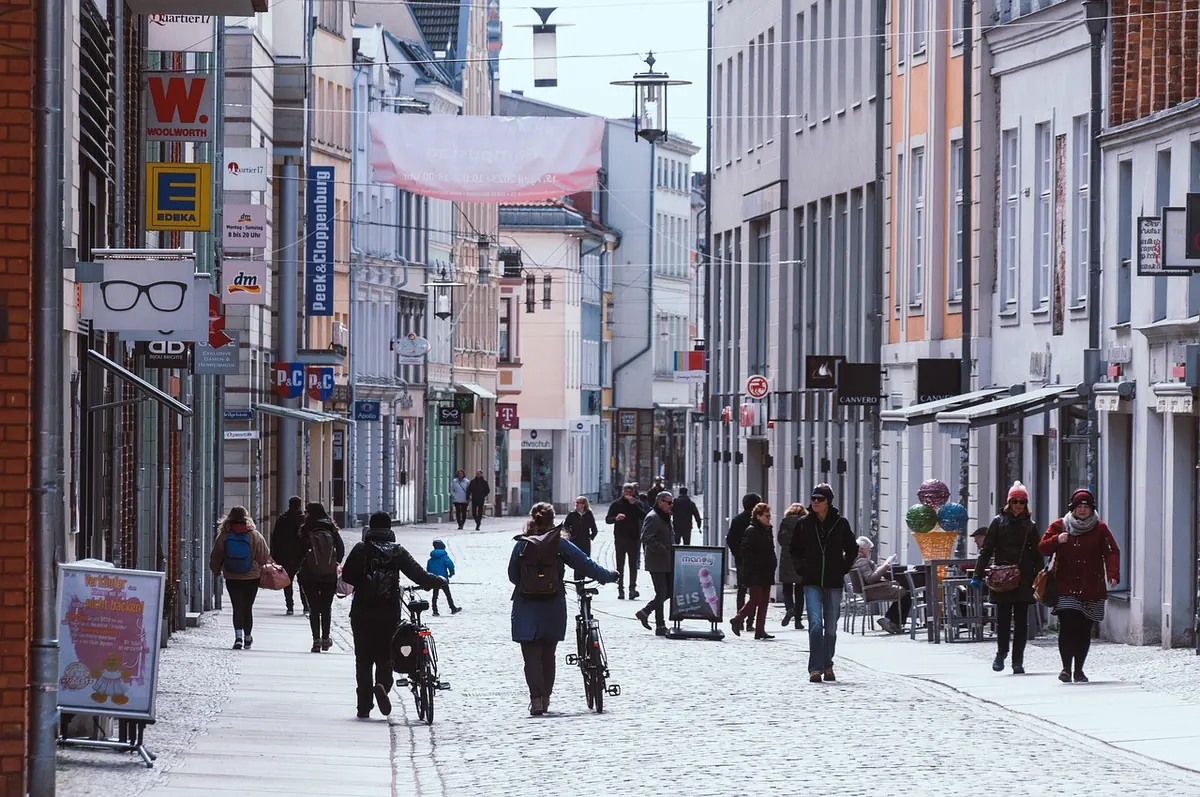
Drive through downtown on a Saturday in July and you will circle the block twice looking for parking. The farmers market spills past the curb, the bakery line reaches the door, and somebody is playing guitar outside the bookshop. Drive through on a Tuesday in February and you could roll a bowling ball down Main Street without hitting a soul.
Same town. Same shops. Same people. The only real difference is whether anyone gave folks a reason to come down.
Somerset does not lack events. There is a summer concert series, a fall festival, a tree-lighting, a weekly market, a handful of fundraisers, and whatever the schools and churches put on. What we lack is a rhythm — a published, predictable schedule that runs all twelve months, that residents can plan around before the season starts, and that a shopkeeper can glance at when deciding whether to bring on extra help.
That distinction matters more than it sounds. Scattered events ask people to hear about a thing, remember it, and decide at the last minute. A calendar lets them decide in advance, mark the date, invite a friend, and arrange a babysitter. It also lets businesses coordinate instead of competing — nobody wants three good events stacked on the same Saturday in October and an empty block the week after.
The trick is not to invent more. It is to anchor each month with one thing people can count on, and to weight the slow months rather than the easy ones.
None of that is exotic, and that is the point. Novelty is not the goal. The goal is that every month has at least one thing a family, a couple or a solo reader can put on the refrigerator door.
"We burn out our volunteers." Then build fewer, repeatable events. A monthly first Friday that runs the same way each time needs a template, not a committee. Rotate hosts so the same six people are not carrying every date.
"Nobody comes out in winter." Some won't, and that is fine. The ones who do tend to stay for dinner or a drink, because they came downtown for a reason. Keep winter events indoors, under two hours, close to parking, and warm.
"Shopkeepers won't stay open late." Start with the ones who will. Four lit windows beat a dark block, and the rest will notice a good night's receipts soon enough.
"We can't afford it." A calendar costs nothing to publish. Start with the free things — a swap, a walk, a contest, a cleanup — and let the paid events earn their way in later.
Name a keeper by the end of the month. One name, one email, one phone number that people can actually reach. Vague ownership is what quietly kills these efforts.
Then hold one meeting and invite everyone who runs anything: the library, the schools, the churches, the Legion, the arts council, the market vendors, the gym, the historical society, the shops. An hour is enough. Bring a single sheet of paper with twelve rows on it.
Draft those twelve rows in pencil. Check them against the school calendar, holidays, tax season, hunting season and any regional event that pulls people out of town. Leave the busy months alone and fix the empty ones.
Then publish it — one page, posted in the library, the laundromat, the coffee shops and the church halls, plus one web page that gets updated rather than rebuilt each year. After every event, write down two things: what it cost and how many people came. Keep that in a shared document so next year's volunteer is not starting from nothing.
A year-round calendar will not fill empty storefronts or lower anyone's rent. It will not fix the roads or bring back a factory. But it is one of the few things a town can control without asking permission or finding a grant, and it compounds: a person who comes downtown for a chili cook-off in February might buy a book, a coffee, a pair of boots. Do that twelve times a year and the sidewalks stop being a seasonal surprise.
So pick the emptiest month on the calendar right now and put one thing in it. Write it down. Tell people. Then do it again next year, in the same month, on purpose. That is how a calendar starts — and it is how a downtown stops going quiet every January.
Photo: wal_172619 / Pixabay