Beginner's Guide to Somerset High School Football Games: Tickets, Parking, and Traditions
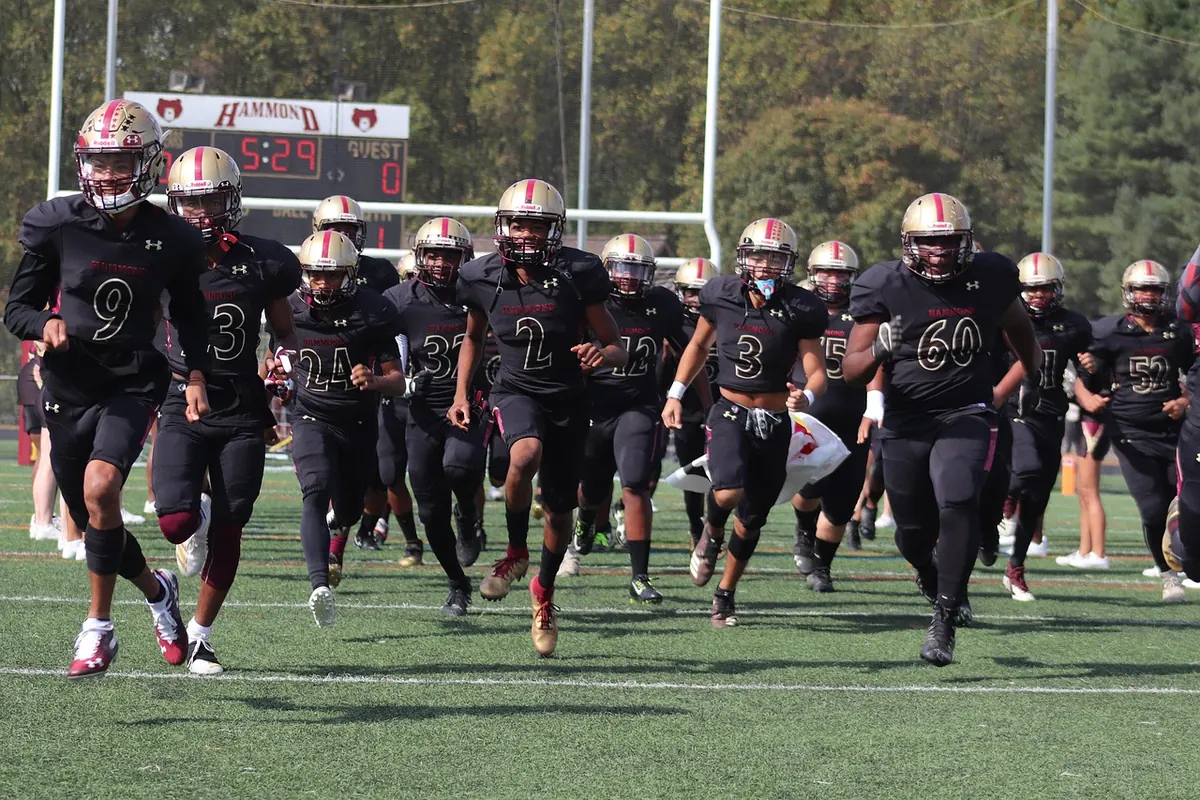
Friday night football runs on its own clock in Somerset. The band warms up before the light fully leaves the sky, the parking lot fills earlier than anyone expects, and by kickoff the bleachers hold a mix of grandparents in folding chairs, teenagers who came mostly for the social hour, and parents who have been showing up since their own kids wore the jersey. If this is your first Somerset High game, the mechanics are easy once someone explains them. Here is what to sort out before you go.
Schedules move. Non-district games get swapped, homecoming lands on a different week than you remember, and weather can push a Friday game to Saturday afternoon. Check the school's athletics page or the Herald's weekly sports roundup a day or two before, and confirm two things: the kickoff time and whether the game is actually at home. Plenty of first-timers have driven to the wrong stadium in the rain.
Many schools now sell tickets online through a district athletics portal, and some have gone entirely cashless at the gate. If online sales are open, buy Thursday night. Rivalry games, homecoming, and senior night can push a stadium close to capacity, and standing at the fence with your phone searching for a signal is a poor way to spend the first quarter.
If you pay in person, bring a little cash even when cards are accepted. Ask about student and senior rates, and bring an ID if you plan to use one. Season passes exist for families who attend every home game, and they usually pay for themselves after a handful of Fridays.
Gates generally open well before kickoff, and arriving thirty minutes early is comfortable for a normal game, forty-five for a big one. Have your ticket or payment method out before you reach the front of the line. Bags are often checked at the entrance, so leave the big tote in the car. Most stadiums do not allow outside food or coolers, though a sealed water bottle is usually fine. Skip the pets, the glass, and anything that needs a flame.
One more thing: the ticket line is also the entrance line. If you are meeting friends inside, agree on a meeting spot in advance rather than texting "where are you" from a crowded gate.
The lot closest to the stadium fills first, and on a big night it fills fast. Grass parking and satellite lots open up once the paved spaces are gone, which means a five-minute walk in the dark. Bring a small flashlight or use your phone.
If you are willing to wait fifteen minutes after the game, the lot empties out and the drive home is easy. If you are not, leave early and accept that you missed the ending.
High school bleachers are almost always general admission, so seat selection is really about atmosphere. The home side holds the band, the student section, and most of the families, and that is where the noise lives. The visitor side tends to be smaller and quieter. Neither is wrong; pick based on whether you want to talk to the person next to you.
Lower rows put you close to the sideline chatter and the band, but you will stand up every time someone walks past. Higher rows give you the whole field and a better read on the play. Bring a stadium cushion — aluminum benches get cold, and two hours is a long time to sit on metal. Use the handrails when you climb, and if anyone in your group has trouble with stairs, ask at the gate about accessible seating; most schools have a designated area and some run a shuttle from the far lot.
The teams warm up, the band takes the stands, and the national anthem plays. Stand, take off your hat, and put the phone down for two minutes. Then the team comes out, usually through a line of cheerleaders or a tunnel of parents, and the crowd makes whatever noise it makes. Learn the fight song by the second game and you will fit right in.
Halftime is the part newcomers underestimate. The marching band performs, homecoming court gets introduced, and youth football teams sometimes get recognized. Stay in your seat for it. It is often the best-run ten minutes of the night.
Expect themes — blackout, whiteout, throwback — announced during the week on social media. Expect chants that have been passed down for years. Sit nearby if you want energy, sit a few sections away if you want to hear yourself think.
The concession stand is usually run by a booster club, and the line is shortest in the second quarter and longest at halftime. Coffee and hot chocolate appear once the temperature drops, which it always does after dark. If you have a thermos, check whether it is allowed before you carry it to the gate.
October nights in this part of the country can go from mild at kickoff to genuinely cold by the fourth quarter. Dress in layers, bring a blanket, and wear a hat you do not care about. For rain, a poncho beats an umbrella, which blocks the view behind you and is restricted at many stadiums. If lightning appears, play is suspended and everyone is asked to leave the bleachers — follow the school's instructions without arguing, and do not stand under the goalposts.
None of this is complicated, and that is the point. Somerset High football is a neighborhood event as much as a sporting one, and the people around you on the bleachers are the same people you will see at the grocery store on Saturday. Show up a little early, dress a little warmer than you think you need to, and let the band and the crowd tell you when to stand up. By the second Friday, you will already know where to park.
Photo: lscottewart / Pixabay
Previous Post
Somerset Farmers Market Guide: What's in Season Month by Month
Next Post
Somerset Fall Festival Roundup: 10 Events to Put on Your Calendar