Winter Home Prep Checklist for Somerset Residents: Pipes, Sidewalks, and Emergency Kits
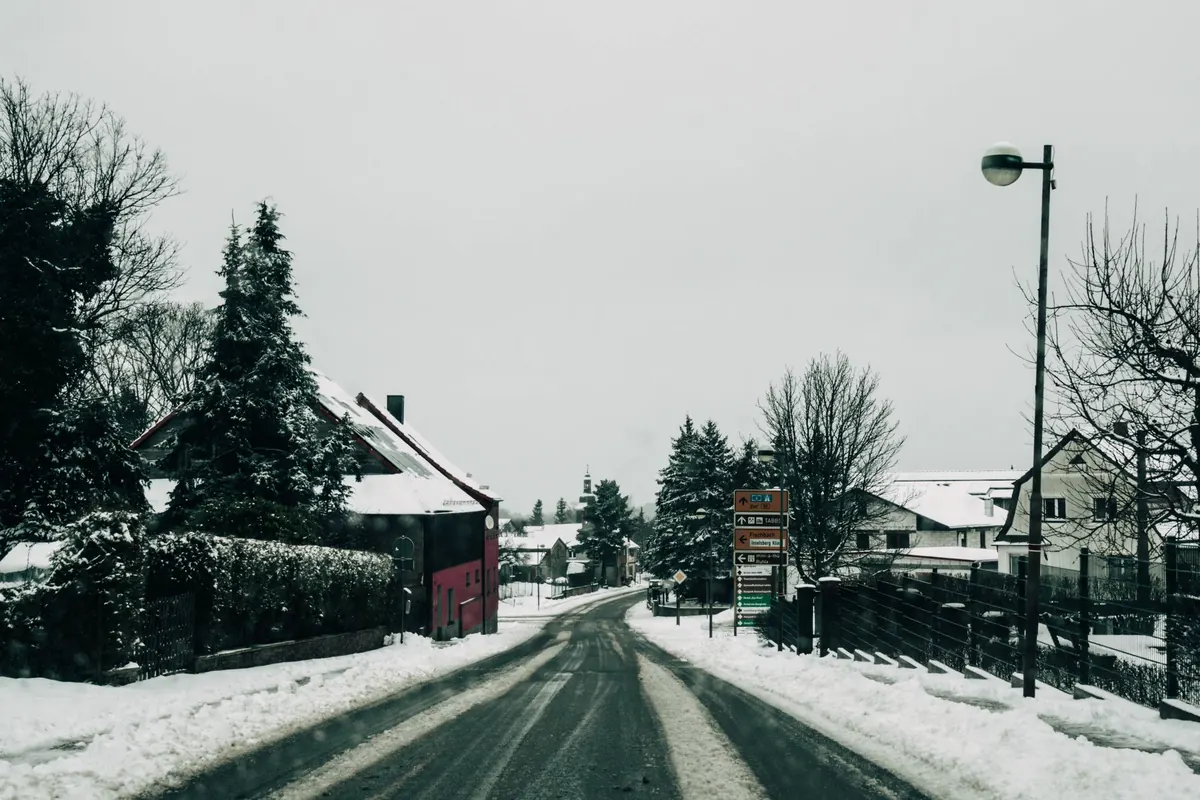
The first hard freeze rarely announces itself. It arrives as a wind that finds every gap in a basement wall, and by the time the forecast turns serious, most of us are already behind — hoses still connected, sidewalk salt still sitting on a shelf at the store, that one drafty pipe under the kitchen sink doing its quiet thing.
None of it is complicated. It is a handful of small jobs done in the right order, before the temperature drops and the hardware store runs out of foam pipe sleeves. Here is a practical walk-through for homeowners, renters, and anyone who looks after an older relative's house.
Water expands as it freezes, and that expansion is what splits copper and cracks plastic. The damage often stays hidden until the thaw, when a slow leak turns into a soaked ceiling. A few hours of prep in November saves a very expensive weekend in January.
Shut off the water at the main valve first, then open the nearest faucet so melting water has somewhere to go. Warm the frozen section gently — a hair dryer, a heat lamp, or towels soaked in hot water — working from the end of the pipe toward the blockage. Never use an open flame, and never leave a space heater unattended next to plumbing. If a pipe has already split, keep the water off and call a licensed plumber. Renters should call the landlord before doing anything beyond shutting off the supply.
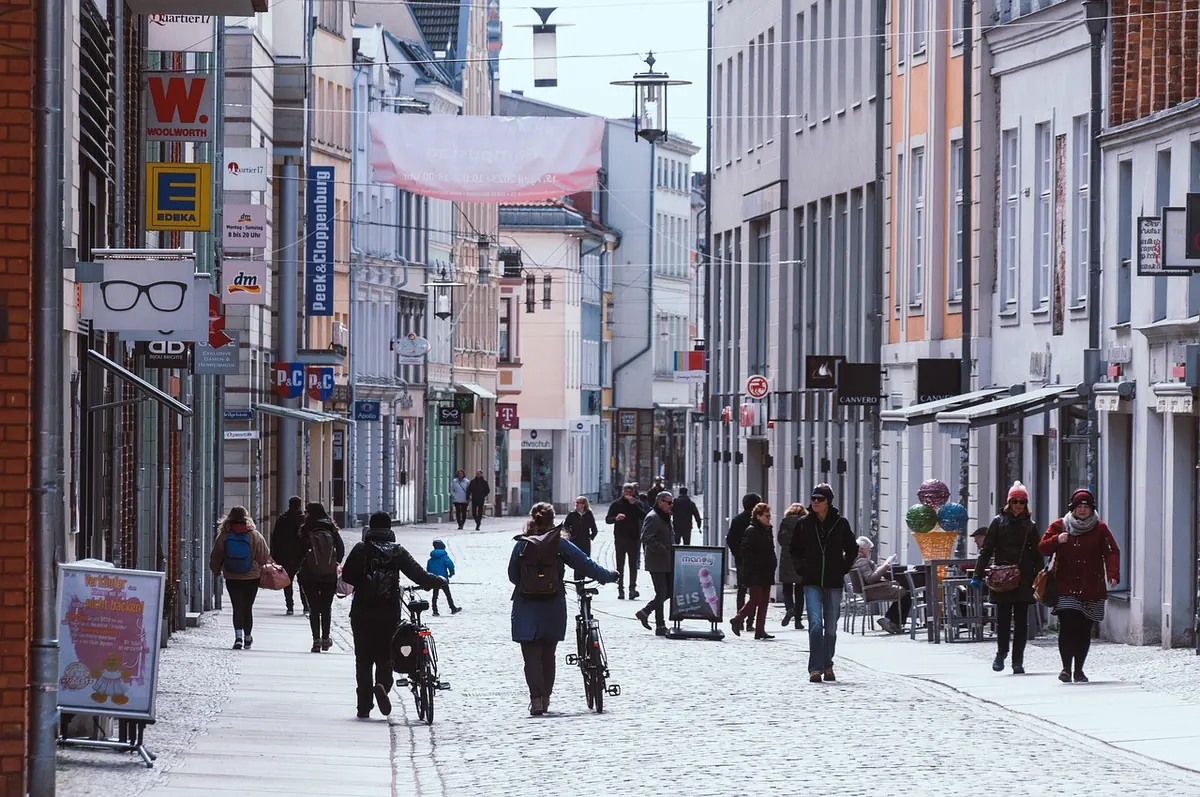
Most Somerset-area municipalities require property owners or occupants to clear sidewalks within a set window after a storm — commonly 12 to 24 hours, though the exact deadline and any penalties vary from town to town. The details are in your borough or township code, and a quick look at the municipal website or a call to the clerk's office settles it. Better to know now than after a warning notice.
On the practical side: shovel early and often rather than waiting for the storm to end. Packed snow that freezes overnight is far harder to move than powder. Clear a path wide enough for two people to pass, and keep it wide enough for a stroller, a walker, or a wheelchair — that is the point of the rule, not just the letter of it.
A few things people forget: clear around fire hydrants near your property, dig out the mailbox, and open a channel to the nearest storm drain so meltwater has somewhere to go. When you shovel the driveway, pile snow on the lawn rather than in the street; plows will push it right back, and in some towns depositing snow in the roadway is itself a violation. When it comes to ice, sand and pet-safe products are gentler on paws, concrete, and landscaping than heavy salt applications.
Also check the parking rules before the first storm. Many towns declare snow emergencies that restrict or ban on-street parking so plows can get through, and cars left in the way can be ticketed or towed. Sign up for your municipality's alert system if it has one.
You do not need a bunker. You need enough to get through two or three days without power, plus the odd item that only matters in a storm.
If anyone in the household depends on powered medical equipment, talk with their care team about a backup plan well before winter. That is a conversation best had in October, not during an outage.
Carbon monoxide is the quiet hazard of every cold spell. Never run a generator, grill, or camp stove indoors, in a garage, or close to a window. Install CO alarms on every level of the home and near sleeping areas, test them monthly, and replace the batteries at the same time you change the clocks.
Space heaters need three feet of clearance from anything combustible, should be plugged directly into a wall outlet rather than an extension cord, and should never run while you are asleep or out of the house. Generators belong outdoors, well away from windows and vents. Never feed one back into your home's wiring unless a qualified electrician has set it up properly — improper connections can endanger utility crews working on nearby lines.
Leaving for a week or two? Keep the heat at 55°F or above, shut off the main water valve if you can, and ask a neighbor to check the house. A simple water alarm near the water heater or washing machine costs little and can send an alert to your phone.
On the coldest nights, let a faucet on an exterior wall drip slowly and open the cabinet doors beneath sinks along outside walls so warm air reaches the pipes. In the car, keep the tank above half, check tire pressure when temperatures plunge, and use washer fluid rated for freezing conditions.
Pick a Saturday before the forecast turns. Handle the pipes first, since that is where the expensive damage lives. Then stock the kit, sorted into one bin you can actually find in the dark. Finally, confirm your town's snow rules and figure out who is shoveling for whom on your block — a spare key and a phone number traded with a neighbor solves more winter problems than any gadget.
Rules differ by municipality, and this is general guidance rather than a substitute for your local code or a professional's advice on plumbing, wiring, or medical needs. When in doubt, call the town or a licensed tradesperson. Then go inside, put your feet up, and let it snow.
Photo: Arlind D / Pexels
Previous Post
Comparing Somerset Summer Camps: Costs, Ages, and Registration Deadlines
Next Post
5 Common Mistakes New Runners Make at Somerset 5K Events